
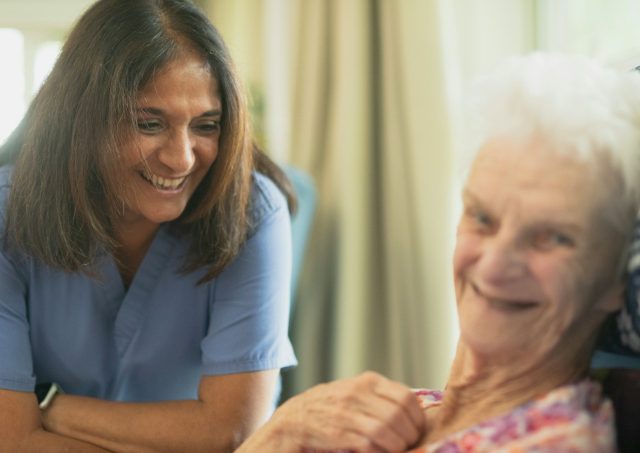
Being a carer is an extremely rewarding job. It can be challenging, but it is worth it. It requires a special person with the right personality and certain qualities to be successful. As a carer, you will be providing home care to people who may be vulnerable, sick, or living with a disability, so you will need to have compassion, empathy, and treat them with dignity and respect. In this blog, we will look at the top 10 qualities you need to become a carer.
1. Caring
The name says it all; the most essential quality for any carer is to have a caring nature. Taking care of someone means making sure they have everything they need to stay healthy, happy, and safe. This means taking care of someone both physically and emotionally and can include bathing, dressing, and preparing meals as well as listening to their concerns and providing support. People who rely on home care need to feel that they are important to their carer and that their carer genuinely cares about them. The family will also feel at ease knowing that their loved one is being looked after by a home care assistant who really cares.
2. Empathy
Empathy is the ability to understand and share the feelings of another person. It is an essential quality for a carer because it helps you to understand what your clients are going through and how they are feeling. It also allows you to build a rapport with them and develop a trusting relationship. When you have empathy, you can put yourself in someone else’s shoes and see things from their perspective. This can help you to better understand their needs and how best to support them.

3. Patience
Home carers must always be patient. This is because caring for someone can be demanding and challenging, especially if they have a lot of needs. As a carer you must understand that your clients may not be able to do things as quickly as you would like them to. One of the main reasons for having home care is to allow people to live as independently as possible in their own homes, so it is necessary to be patient and give them the time they need to do things.
4. Friendly and Positive
Having a friendly positive attitude is vital for a carer as it helps to create a positive environment. This can make a big difference to the people you are caring for, especially if they are not having a good day. A cheerful outlook can help to brighten up someone’s day and make them feel more hopeful and motivated. It is also important to be friendly and approachable so that your clients feel comfortable talking to you and sharing their concerns. Laughter really is the best medicine and having a good sense of humour will help your clients relax and feel at ease with you.

5. Reliability
For many people living with impairments or limiting conditions their home care is often their lifeline. They need to know that you will show up on time and trust you to be there when you say you will, especially for people who have complex needs and require regular support. If you are not on time, it could cause your client to become worried, and this is something you want to avoid happening.
6. Respectful
Carers providing home care need to be respectful of their clients’ privacy and boundaries. This includes respecting their personal space, belongings, and property. Everyone has different comfort levels, so it is important to respect everyone’s wishes and to be aware of cultural differences and sensitivities. Even when you have built a good relationship with your client and you are able to talk to them as a friend, you must always maintain a level of respect and professionalism.
7. Communication Skills
Effective communication skills are crucial for home care assistants as you need to be able to communicate effectively with your patients or clients. This includes being able to listen to them and to fully understand their needs. As a carer you will often need to communicate with others, such as family members, doctors, nurses, and social workers. Good communication skills are essential for providing good quality home care.
8. Organisational Skills
Home care assistants need good organisational skills to keep track of things such as medication, appointments, and care plans. This can be a lot of information to remember, so it is important to have good systems in place to help you keep on top of things. Managing your time effectively will help you provide high quality home care.

9. Observant
Being observant can save a life. You may notice things that might be wrong or out of place, such as a change in a client’s mood, behaviour, or appearance. It is important to take note of these changes and to report them to a manager or supervisor. Being observant also helps carers to anticipate their clients’ needs and to provide better quality care. Carers have a duty of care to their clients, so it is vital to be vigilant.
10. Qualified
Although not all home carers are qualified, having the relevant qualifications will be beneficial in progressing you career. This will give you the knowledge and skills you need to provide high quality home care. It is also important to keep your qualifications up to date and to undertake regular training.
At ANA Nursing, our compassionate carers are the key to our success, and we are always looking to expand our team. If you think you have what it takes to be a successful carer and are interested in a job which makes a positive difference to people’s lives, then we want to hear from you. We can support you in gaining qualifications like QCF training in Health and Social Care. We also offer other training courses so that you can keep your skills up to date.
You can give us a call on 07392 170990
or drop us an email at info@ana-nursing.co.uk. We would be more than happy to answer any questions that you may have.
